



Introduction to the Pentateuch
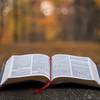
All the Bibles, either Hebrew or Catholic or Protestant or Orthodox, agree on the first part of the Biblical Canon, that is the Pentateuch.
All the Bibles, either Hebrew or Catholic or Protestant or Orthodox, agree on the first part of the Biblical Canon, that is the Pentateuch.

The aim of this first set of readings is to gain familiarity and/or to review the literary history of the Bible: namely, religious, socio-political, cultural factors which shaped the structure and content of both testaments.

We propose to define each term of the title, in order to understand the cultural background that was the matrix of Christianity.
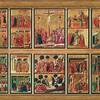
The first thing to say is that the New Testament is the second half of the Christian Bible, and follows the Old Testament and what Protestants call the Apocrypha – mostly intertestamental writings which continue to speak of God’s grace and his care for his people, the people of Israel. The New Testament is about Jesus, a Jew from Israel, who lived and died and was brought back to life again by God.
SEM 41 - Archaeology and the Bible
From 7th October to 30th November 2019
by Hervé Tremblay
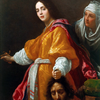
Students will be introduced to the methods known as Rhetorical Biblical Criticism and Theological Criticism of the Bible.

This seminar explores the history of the earliest Arabic translations of the Bible through the study of ancient manuscripts and their historical, cultural, and religious contexts. It examines the role of the Scriptures within Arabic-speaking communities as well as the Islamic theological and cultural influences that shaped these translations. Particular attention will be given to the Greek and Syriac origins of the Arabic biblical texts and to the contemporary issues related to their interpretation.
This seminar will take place from March 1 to April 25, 2027.
This introductory course studies the foundational doctrines of the Christian. It offers an overview of the interrelated doctrines about God, creation, the Bible as the central text of Christianity, human beings and sin, the person and work of Jesus Christ, the Church as Christ’s Body, and the Christian doctrine of the last things. While there is a stress on the evangelical Christian perspective in this course, there will also be key interactions with the Roman Catholic and mainline Protestant Christian traditions.